



Your Brain Can Heal Your Body
Let us show you how with the only science-backed brain retraining program for chronic conditions.



Ashok Gupta has featured on:

Gupta Program™ Brain Retraining is a powerful revolutionary Neuroplasticity, Somatic Retraining, Limbic Retraining & Holistic Health Program for Chronic Conditions, including Long Covid
Do you have any of the following conditions?
Neuro-Immune
and many others
Environmental
and many others
Thousands of people have healed before you, and you can too.
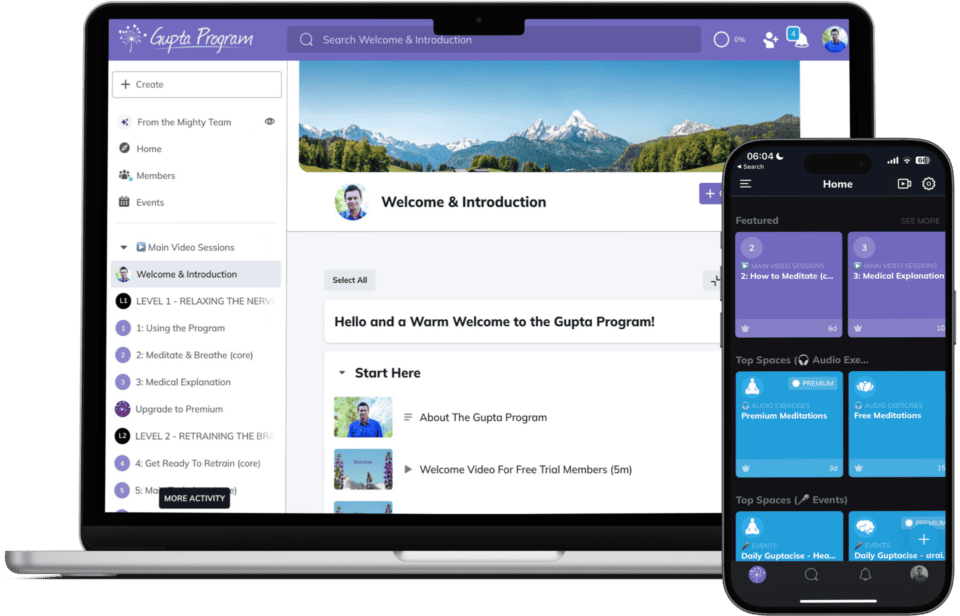
The Gupta Program is the first brain retraining app that uses a package of proven techniques to help you recover from chronic health conditions.
Our comprehensive range of unique techniques rewire the brain and reverse your symptoms using the power of neuroplasticity – a hot new topic in medicine which is transforming lives worldwide.
Meet our Founder, Ashok Gupta
I Healed And So Can You
I suffered from ME/CFS myself and I managed to recover fully, for which I am so grateful. I’ve made it my life long quest to help others like you recover too, from similar chronic conditions.
My 25 years of research combined with the latest findings about “neuroplasticity”, lead me to believe these conditions are ultimately caused by abnormalities in brain function, which can be reversed using revolutionary “brain retraining” techniques, called “Amygdala and Insula Retraining”.
Despite what people may say, many people do recover successfully from these conditions, and the Gupta Program triggers the body’s natural ability to heal itself.

How We Are Unique Compared to Other Brain Retraining Programs

Science-backed
We are the only brain retraining program that has randomized controlled clinical trials showing reversal of symptoms across a range of chronic conditions.

Recommended by experts
Trusted by leading health practitioners worldwide, we are the most recommended brain retraining program for recovery.

Daily support
We are the only app of its kind that provides live daily healing sessions with our expert coaches, in a supportive community.

Easy to use
Easily accessible through our app or website, the program is designed for healing on-the-go or at home.

Personalized to you
The program is adaptable to your pace and preference, so your healing journey is as comfortable as possible.

Money-back guarantee
Your wellbeing is our priority. So, if our program isn’t the perfect fit, we offer a one-year money back guarantee.
Start Retraining Your Brain and Reversing Your Symptoms Today
28-day free trial - No credit card required
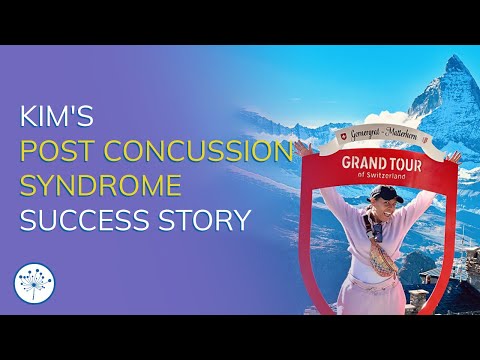
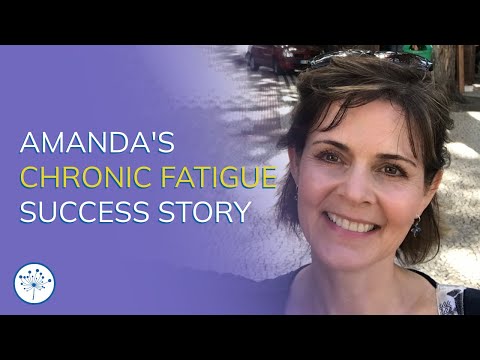
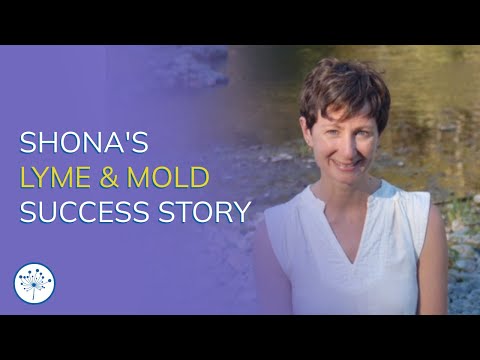
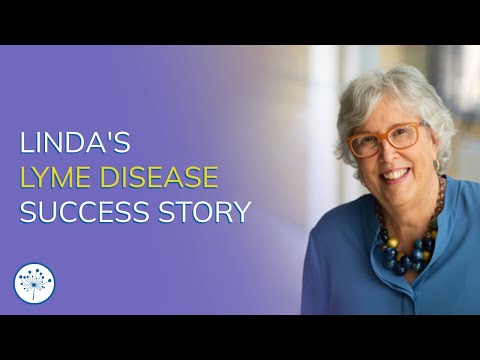
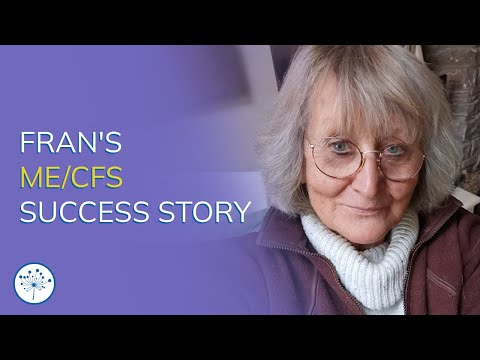
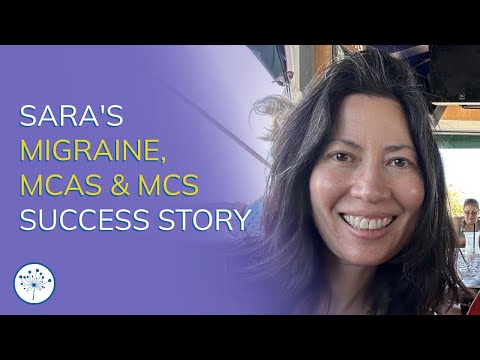
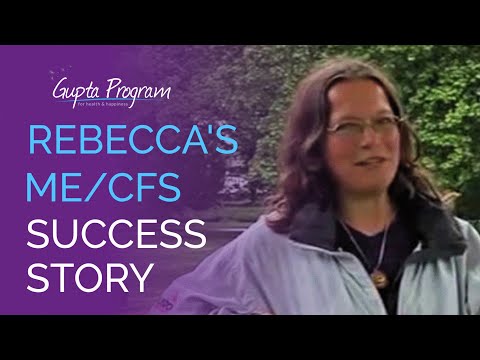
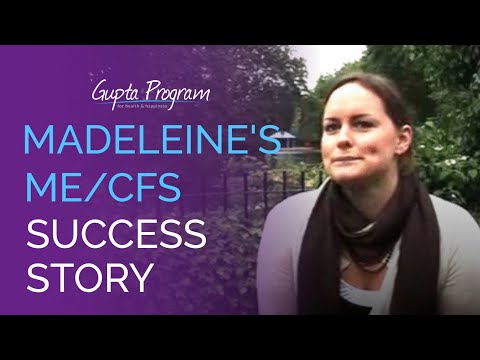
Real Retrainers. Real Stories. Real Recovery.






















Hear From Medical Experts
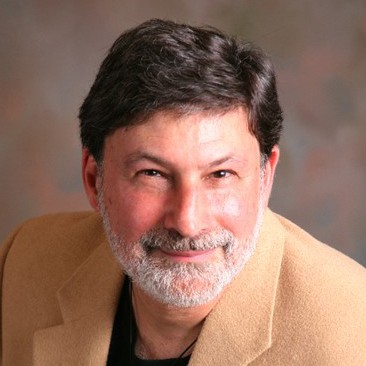
Dr. Neil Nathan MD
Global Renowned Expert in Mold Illness, Founding Diplomate of the American Board of Integrative and Holistic Medicine
Read Testimonial »
"The majority of patients that I treat with chronic infections, such as Lyme disease, and chronic environmental toxicity, like mold, develop severe limbic dysfunction. I have found Ashok Gupta's program to be of great benefit in helping these patients to heal. In fact, when patients have become unusually sensitive or reactive, it is mandatory that they start with limbic retraining or they are not likely to make much progress. Hundreds of my patients have reported marked benefits from Ashok’s materials and I strongly encourage their use."
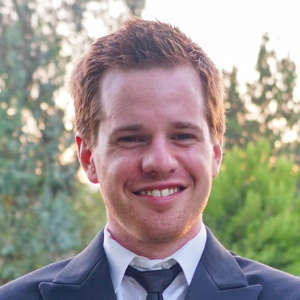
Evan Brand, CFMP, FNTP
Functional Medicine Expert, Podcast Host and Author
Read Testimonial »
"As a Functional Medicine Practitioner, I've suffered my own series of health challenges. The Gupta Program has been the neuroplasticity piece that was missing from my personal and clinical protocols. I'm recommending literally almost every client we have to take the Gupta Program, especially since I've already seen progress in myself using the course. Change is possible!"

Beth O'Hara, Doctorate in Naturopathy
Specializing in Functional Naturopathy, Mast Cell Activation (MCAS) and Histamine Specialist
Read Testimonial »
"At Mast Cell 360, the Gupta Program is a part of our core program for those with complex, chronic Mast Cell Activation Syndrome, Histamine Intolerance, Mold Toxicity, and related conditions. It was such a game-changer for our clients, we made it one of the first steps for anyone starting the Mast Cell 360 program. Thank you for offering this amazing program for those who are suffering to help them get their health and lives back!! It is truly a service to the world."
Dr. Michael Ruscio DNM, DC
Functional Medicine Expert
The Austin Center for Functional Medicine
Read Testimonial »
The Gupta Program is one of a kind, helping patients improve their health in a variety of ways and addressing a multitude of ailments.

Dr. Lauryn Lax, OTR, NTP
Doctor of Occupational Therapy, Nutritionist, & Functional Medicine. Author.
Read Testimonial »
“This program works! The limbic system-immune connection is an often overlooked link in the chronic illness puzzle and a huge game changer in helping patients bust through the ceilings they are hitting in their health. What I love most about the Gupta Program is its holistic nature. It acknowledges all areas of health (physical, mental, emotional, spiritual) so you leave no stones unturned in getting to the root causes of your greatest health challenges."

Dr. Diane Mueller ND, DAOM, Lac
Co-founder of Medicine With Heart and Medicine With Heart Institute, National Speaker and Educator.
Read Testimonial »
"The changes that the Gupta Program offers to clients is not only profound, but essential to the healing process. I have seen impressive results with my clients that have gone through this program."

Dr. Nikolas Hedberg, DC, DABCI
Functional Medicine Expert
Hedberg Institute Founder
Read Testimonial »
I see many complex chronically-ill patients with autoimmune diseases, chronic fatigue, mold illness, gut disorders, Long COVID, and MCAS who only respond to treatment when we implement the Gupta Program into their healing plan. Limbic system dysfunction is at the core of many patients with chronic illness, and I find Ashok's program absolutely vital to restoring their health and vitality. I highly recommend the Gupta Program to anyone suffering from complex chronic illness.
Dr Tina Peers MBBS.DRCOG DFSRH FFSRH
The Menopause Consultancy & MCAS Expert
Read Testimonial »
“I now recommend the Gupta Program to all my patients as I believe that it plays a key role in their recovery. I have been very impressed with patients feedback and with the improvement that they experience.”

Dr Christine Schaffner ND
Physician
Read Testimonial »
"The Gupta Method is one of the most effective ways to help sensitive patients overcome their hypersensitivity"
The Science
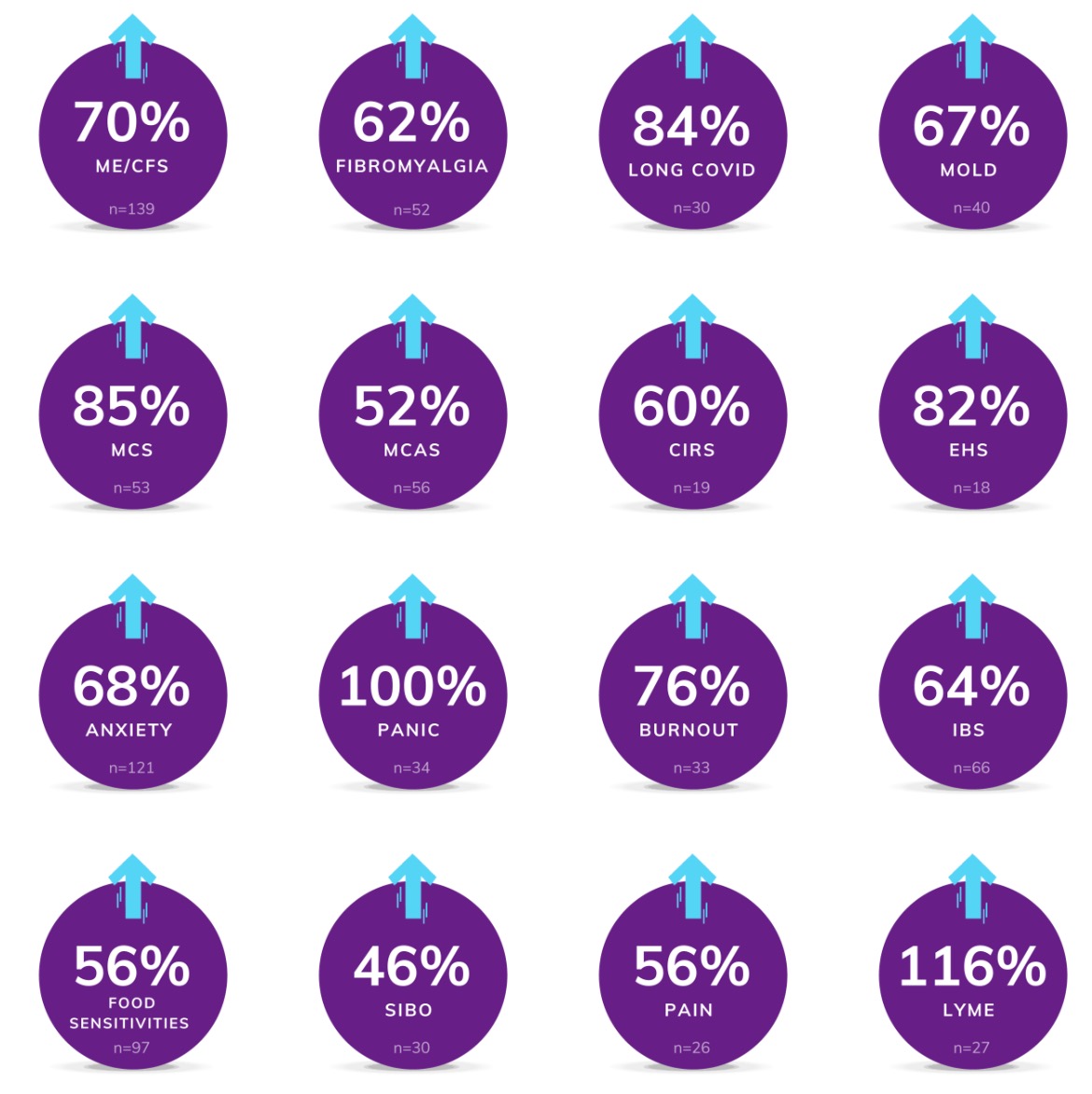
The Gupta Program has been shown to reverse symptoms across many health conditions in several peer-reviewed randomized controlled trials and clinical audits. Below is the percentage improvement in symptoms and function after 3 months on the Gupta Program in a recent published study:
Start Retraining Your Brain and Reversing Your Symptoms Today
28-day free trial - No credit card required

One-Year Money-Back Guarantee
If you notice no improvement after using the program for 6 months, you can return it after 6 months and for up to a year for a refund, no questions asked.
Answers to your questions
The free trial gives you access to the first three modules of the program for one month, so that you can see if the program feels like the right fit for you. A subscription provides you with access to the complete program for one-year.
You can download the app from the App Store on iPhone or the Google Play Store on Android.
You can access the program via the app on any device that supports app installations. Alternatively, you can access it with your login through the website.
Many chronic conditions start in the brain, including those related to an overactive amygdala. When faced with a threat like a virus, stress, trauma, or something else, the brain sends danger signals to the body. But for some people, these signals carry on after the threat has gone, causing symptoms that can be addressed through techniques like amygdala retraining and brain rewiring programs.
The good news is that the brain is always changing and adapting. Through brain retraining exercises, such as amygdala retraining and brain rewiring programs, we can guide it back into a state of safety, reversing the symptoms associated with an overactive amygdala. This is the power of neuroplasticity; a hot new topic in medicine which is transforming lives worldwide.
Limbic system retraining focuses on resetting the brain's emotional center to alleviate symptoms of chronic conditions and improve overall well-being.
By incorporating limbic brain retraining techniques, such as amygdala retraining and brain rewiring programs, into daily routines, individuals can experience improvements in their health and quality of life.
Limbic brain retraining techniques, can be beneficial for individuals looking to address issues related to the limbic system, such as stress, anxiety, and chronic health conditions.
We understand starting a new journey can feel daunting, but rest assured, the Gupta Program is crafted to ease you into the healing process gently. We’ve organized the program into manageable steps, allowing you to learn and heal at your own rhythm, with a compassionate community and dedicated coaches to support you. You can also tailor the program to your individual pace and preference.
Our program is not just about healing; it’s about creating a supportive environment to keep your spirits high. With daily ‘Guptacise’, our caring community, and Coaches who are here for you, we will lift you up. Your journey is our journey, and together, we will maintain the momentum towards your recovery.
Our methods are grounded in science and the program is proven to be effective across many different conditions. It is natural for you to question new approaches, especially after many attempts at healing. This is why we open our doors to you with a free trial, inviting you to experience the program’s potential, including daily ‘Guptacise’ healing sessions, with no obligations.